Turbidity Sensors for Water Quality
Professional turbidity sensors for monitoring water clarity in aquaculture, wastewater treatment, and environmental applications. Self-cleaning infrared optical technology with RS485 digital output for continuous real-time turbidity monitoring.
Turbidity Sensors for Water Quality
2 products found

TUR-100 Stainless Steel Turbidity Sensor
Digital turbidity sensor, 90° infrared scattered light, IP68 stainless steel for direct immersion. Ranges to 4000 NTU, ±2%, RS485 Modbus output.
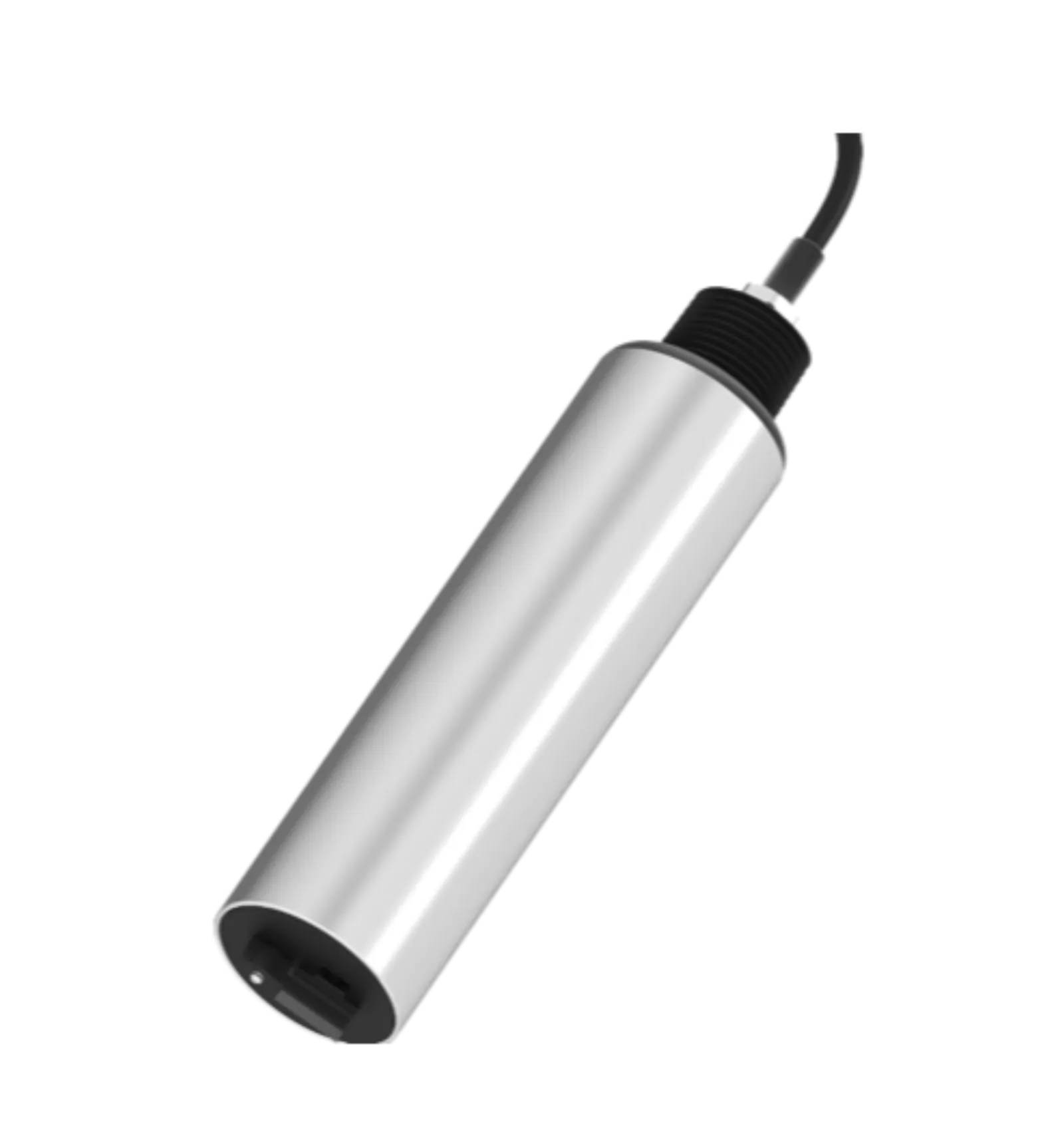
TUR-110 Self-Cleaning Turbidity Sensor
Self-cleaning turbidity sensor with infrared 90° scattered light. IP68, RS485 Modbus output for aquaculture and wastewater.
What to check when buying a turbidity sensor
A turbidity sensor measures how cloudy water is, in NTU. For continuous monitoring four things decide whether a sensor fits: the range it covers, how it stays clean, the signal it sends and whether its body survives the water. The TUR-110 is built for permanent installation in ponds, treatment tanks and open water.
| Model | Range | Accuracy | Output | Body and protection |
|---|---|---|---|---|
| TUR-110 | 0.01-3000 NTU | ±5% or ±0.5 NTU, whichever is greater | RS485 Modbus RTU | SUS316L stainless steel, IP68 / NEMA6P |
Keeping the reading honest
An optical sensor reads whatever is on its window, so fouling shows up as turbidity that is not there. The TUR-110 takes an optional automatic wiper for water that fouls quickly. It works in water from 0 to 45°C and at pressures up to 0.2 MPa.
Turbidity is not the same as suspended solids. Turbidity is an optical value in NTU. Suspended solids is a mass concentration in mg/L, measured by the suspended solids and sludge concentration sensors. The TUR-110 connects to an Omni Genesis controller with the other water quality sensors on the same bus.