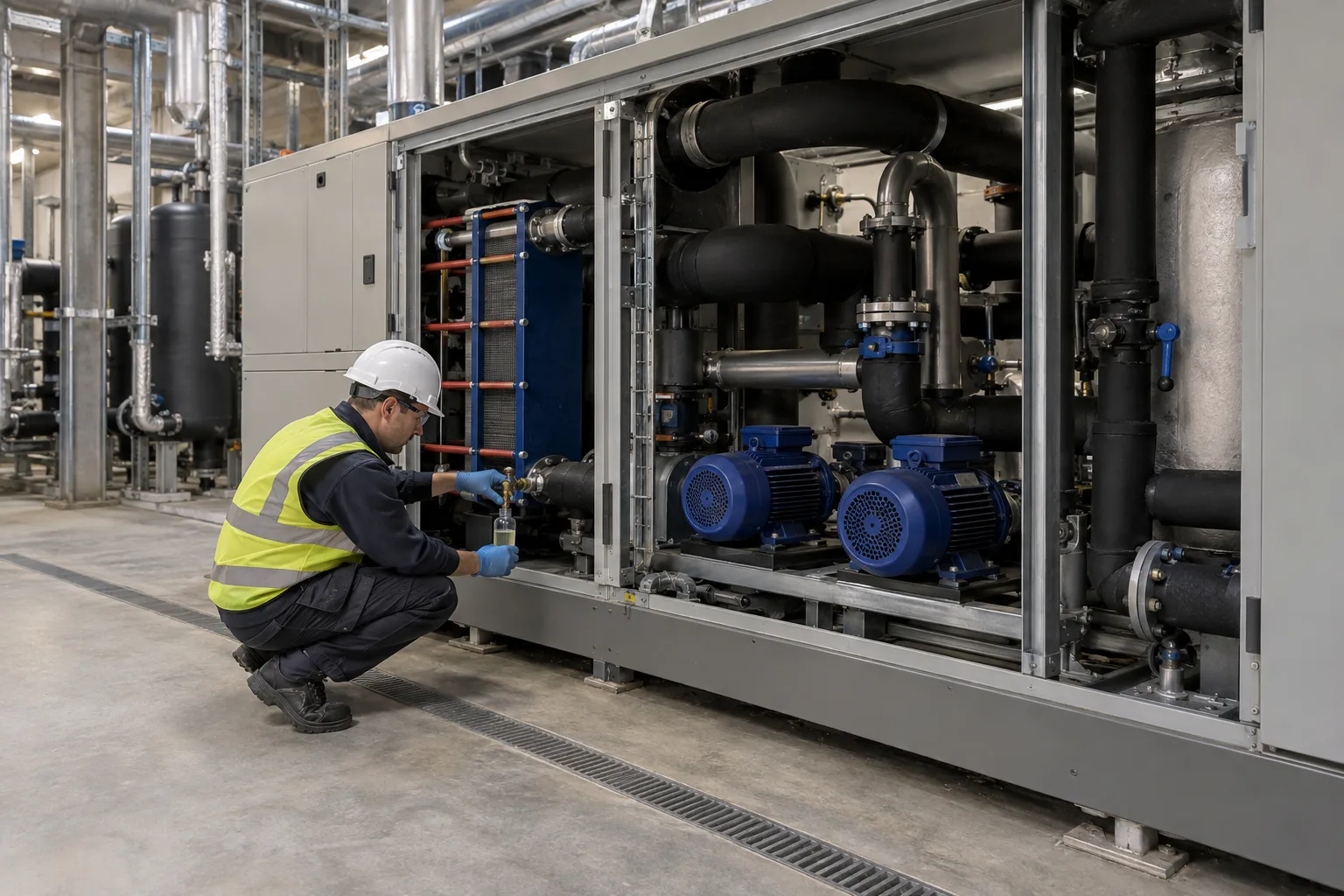
PG25 Coolant Monitoring Sensors for Data Centers
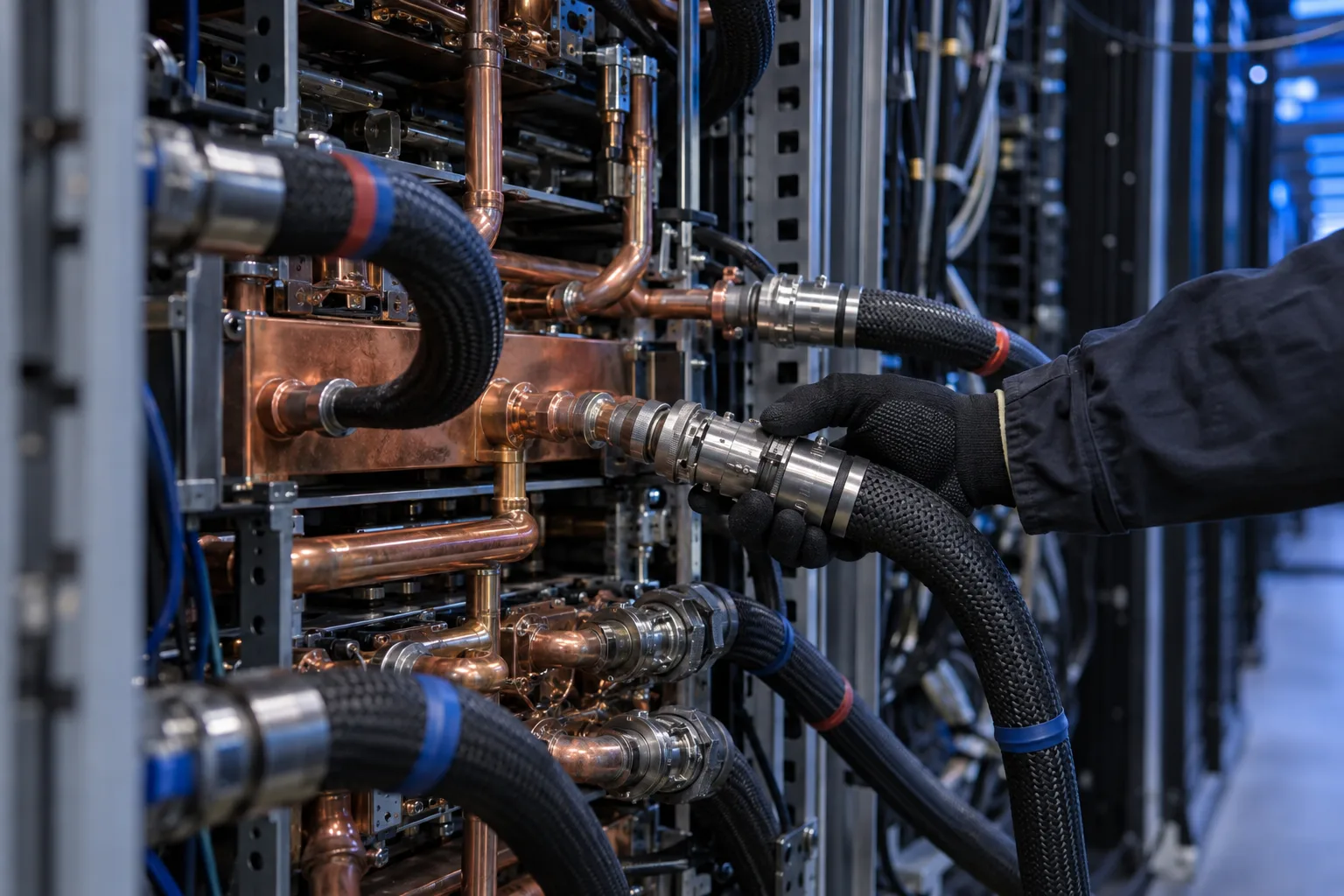
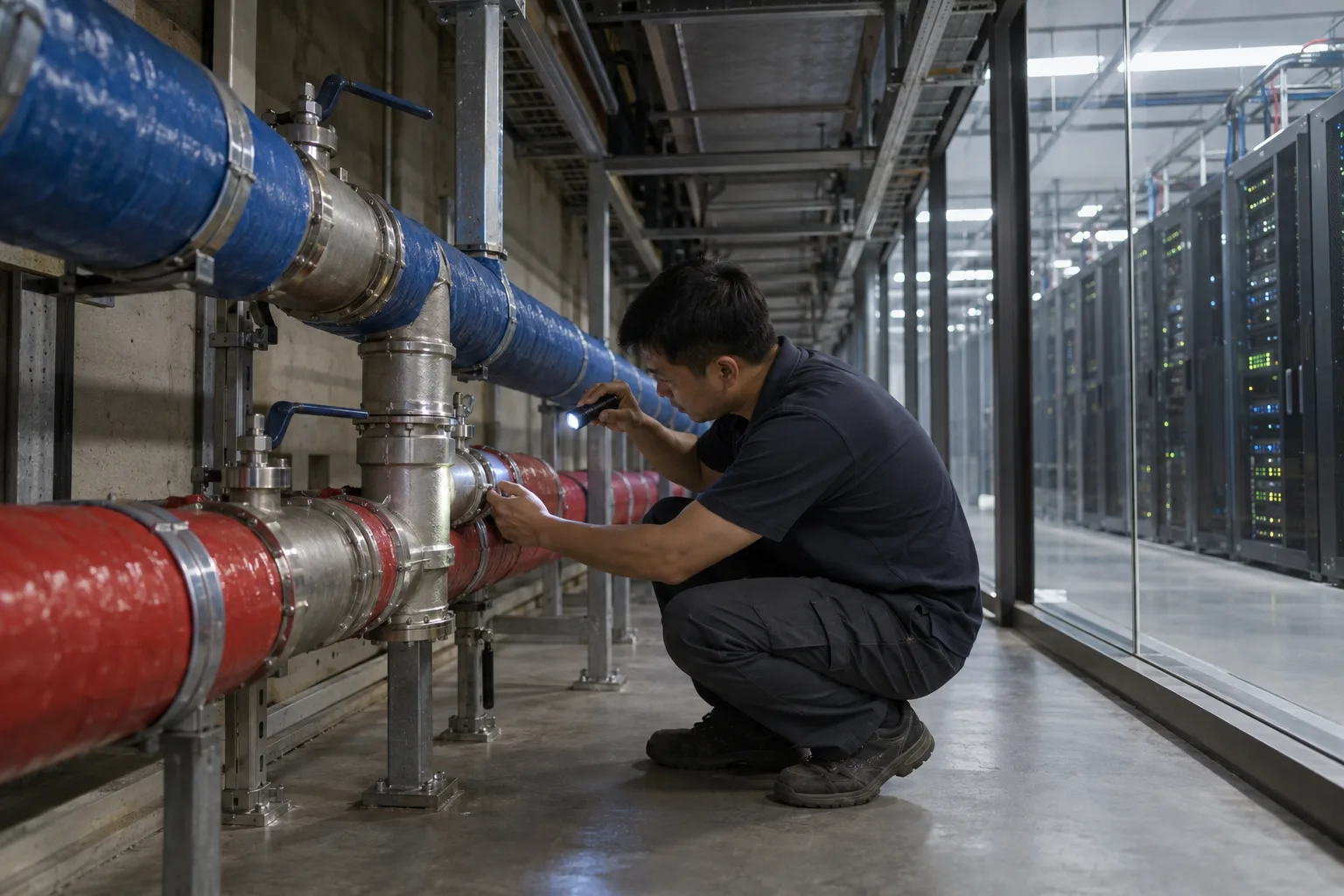
Which inline sensors monitor PG25 coolant in a data center liquid cooling loop: pH, glycol concentration, conductivity, turbidity and corrosion, with limits.
IoT sensor protocols, controller selection, system architecture, and ROI analysis for smart farming deployments.
15 articles
Which inline sensors monitor PG25 coolant in a data center liquid cooling loop: pH, glycol concentration, conductivity, turbidity and corrosion, with limits.
Corrosion monitoring for data center liquid cooling: copper and brass limits in PG25 loops, coupons vs online LPR sensors, and early signs of inhibitor loss.
Data center pH monitoring for liquid cooling: the pH range of PG25 coolant, where an inline RS485 pH sensor goes in a CDU loop, and how temperature shifts it.
Dissolved CO2 sensor types compared: gas-sensing electrode vs optical. The sample pH condition that decides which one fits, and what to check before a quote.
RS485 pH sensor selection for continuous use: Modbus or analog output, isolation next to pumps, calibration over RS485, and which pH probe fits which job.
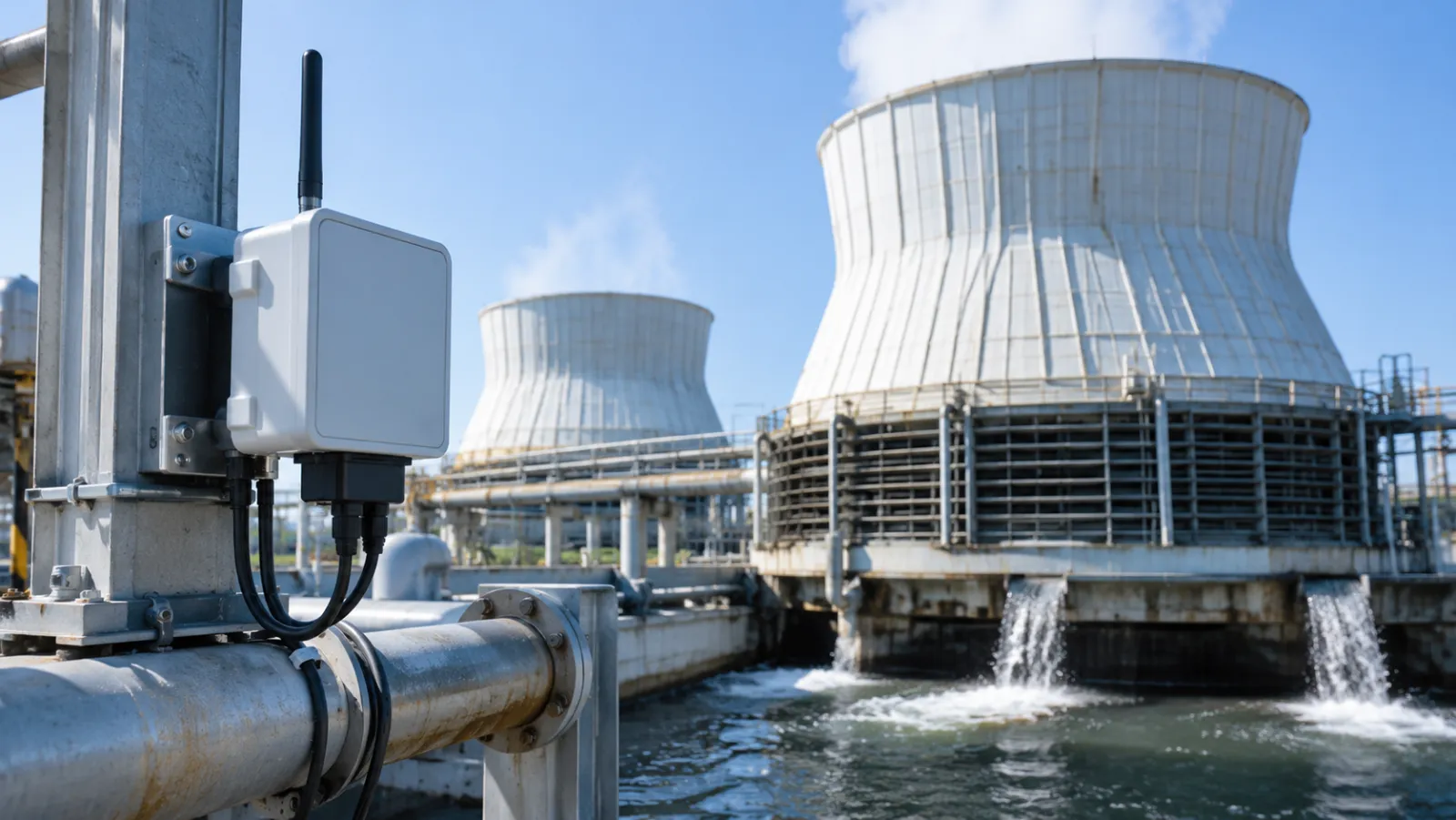
Cooling tower corrosion monitoring: how online LPR and EIS corrosion rate sensors compare to coupons, which specs matter, and how to wire one in.
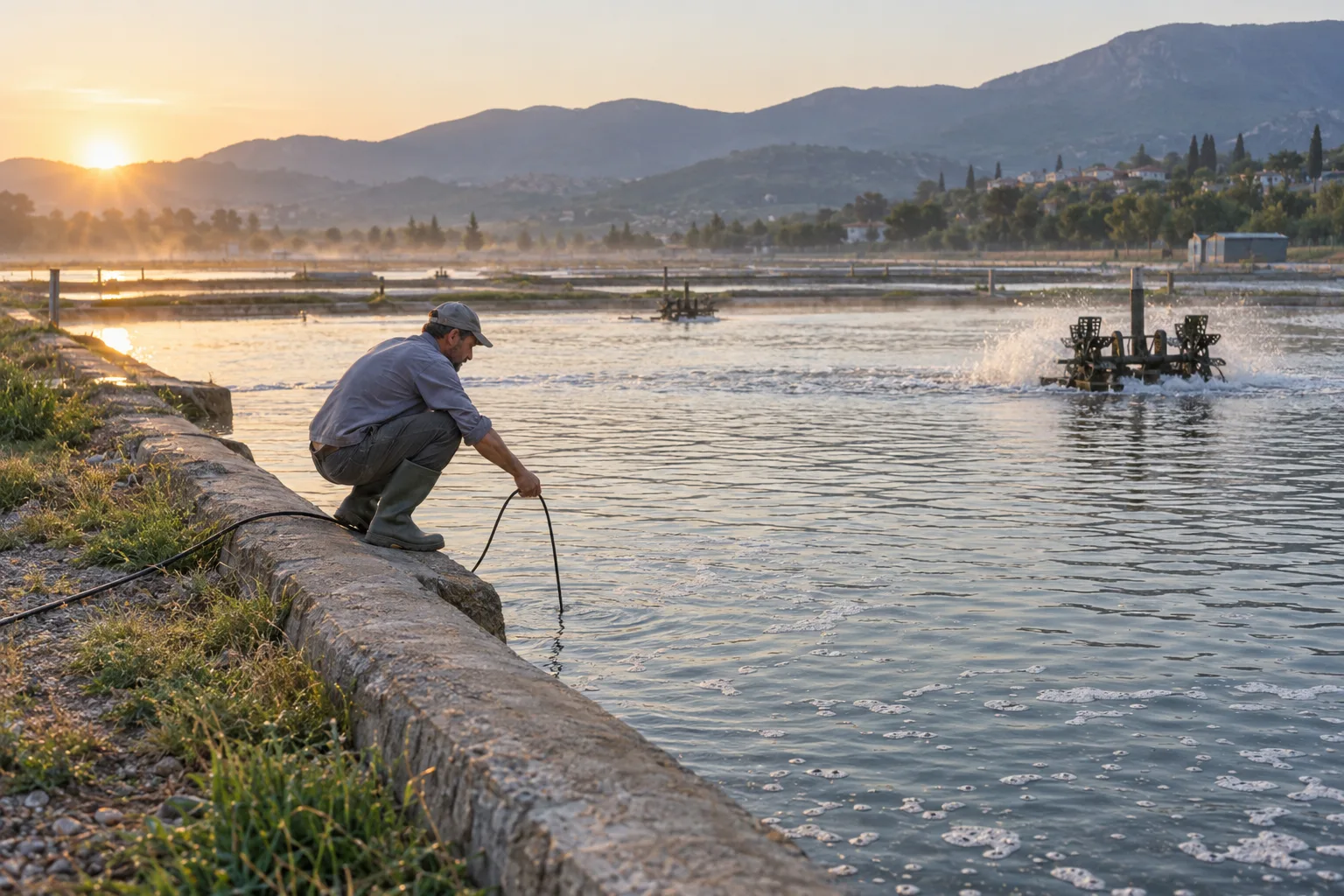
How a USB-C adapter turns any phone into a field water quality meter that records who tested, when, and where. A practical look at MobileSense for multi-site farms.
How to control humidity in a cannabis, date or herb drying room with an IoT controller, a humidity sensor and relay-driven fans, heaters and dehumidifiers.
A practical guide to farm IoT data loggers: sensor inputs, comms (cellular, LoRaWAN, WiFi), power, and ruggedness for real field conditions.
Replace paper temperature logs with automated monitoring for cold storage and kitchens: accuracy, placement, alerts, and audit-ready HACCP records.
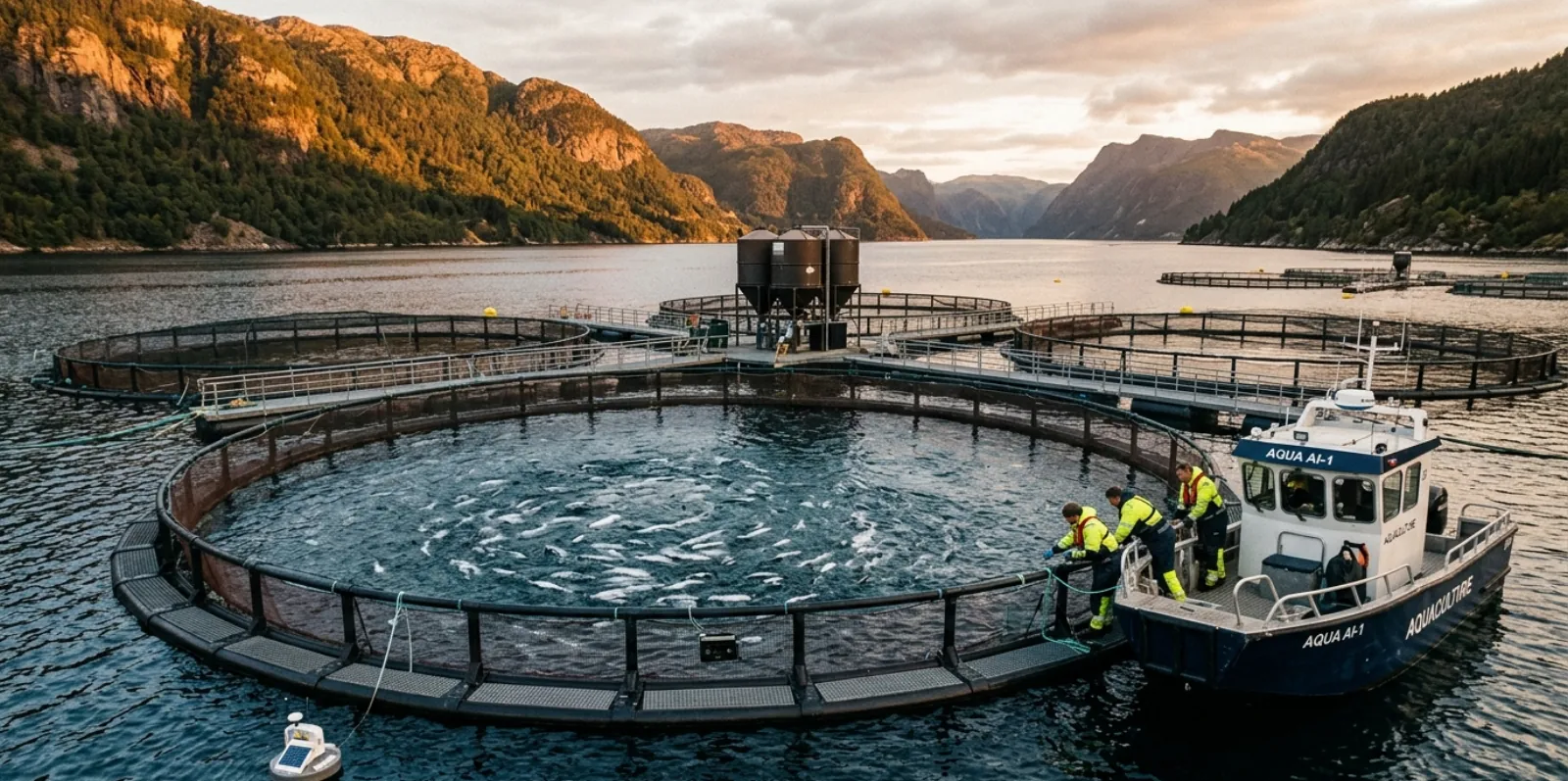
What is Aquaculture 4.0? From IoT sensors to Aqua4 AI-driven decision systems, here is what smart fish farming looks like today and where it is heading.
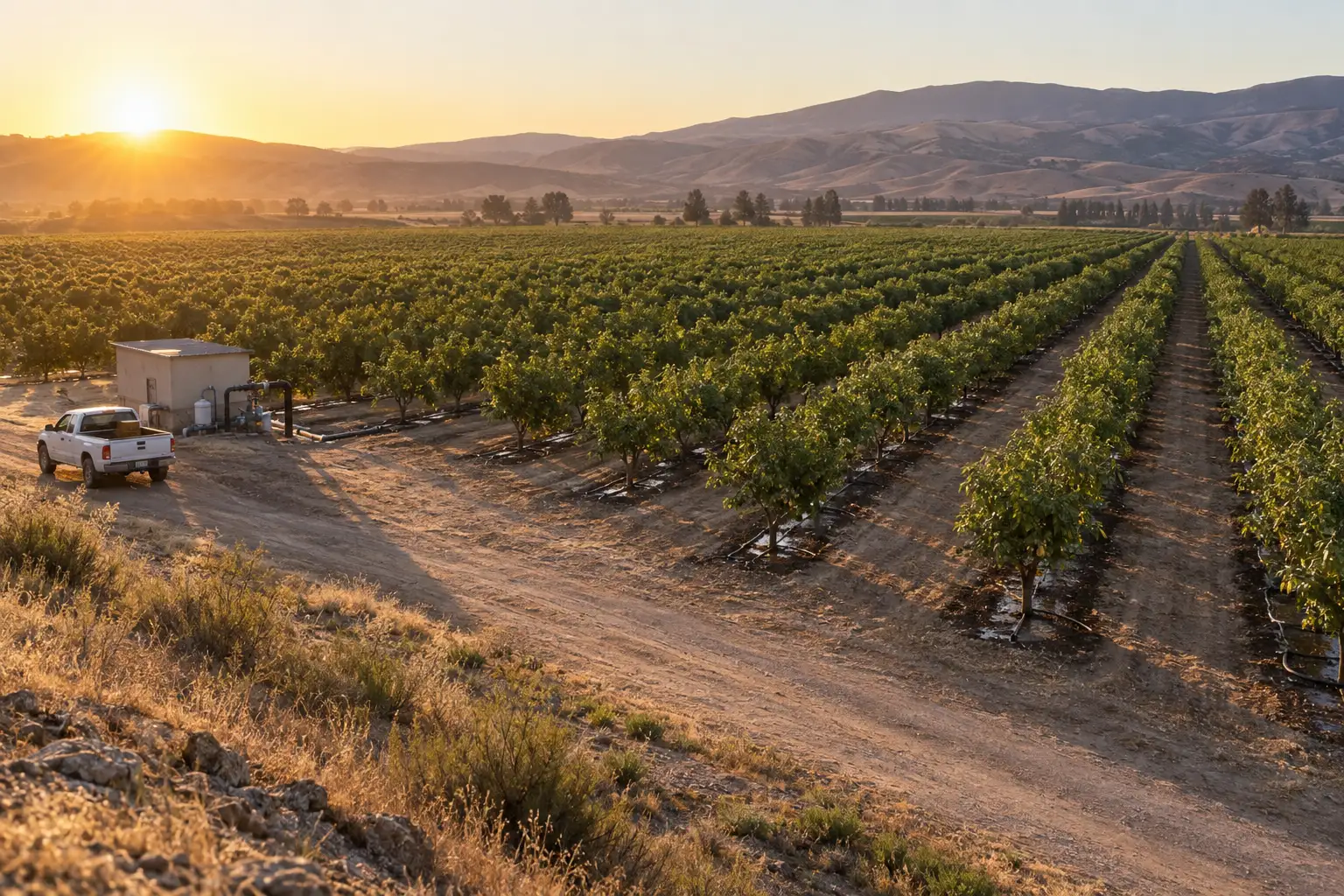
How to use sensors for soil monitoring: depth chart by crop, sensor types compared, wiring to an IoT controller, and alert thresholds for over-irrigation.