ClO2 Monitoring in Water Treatment Guide
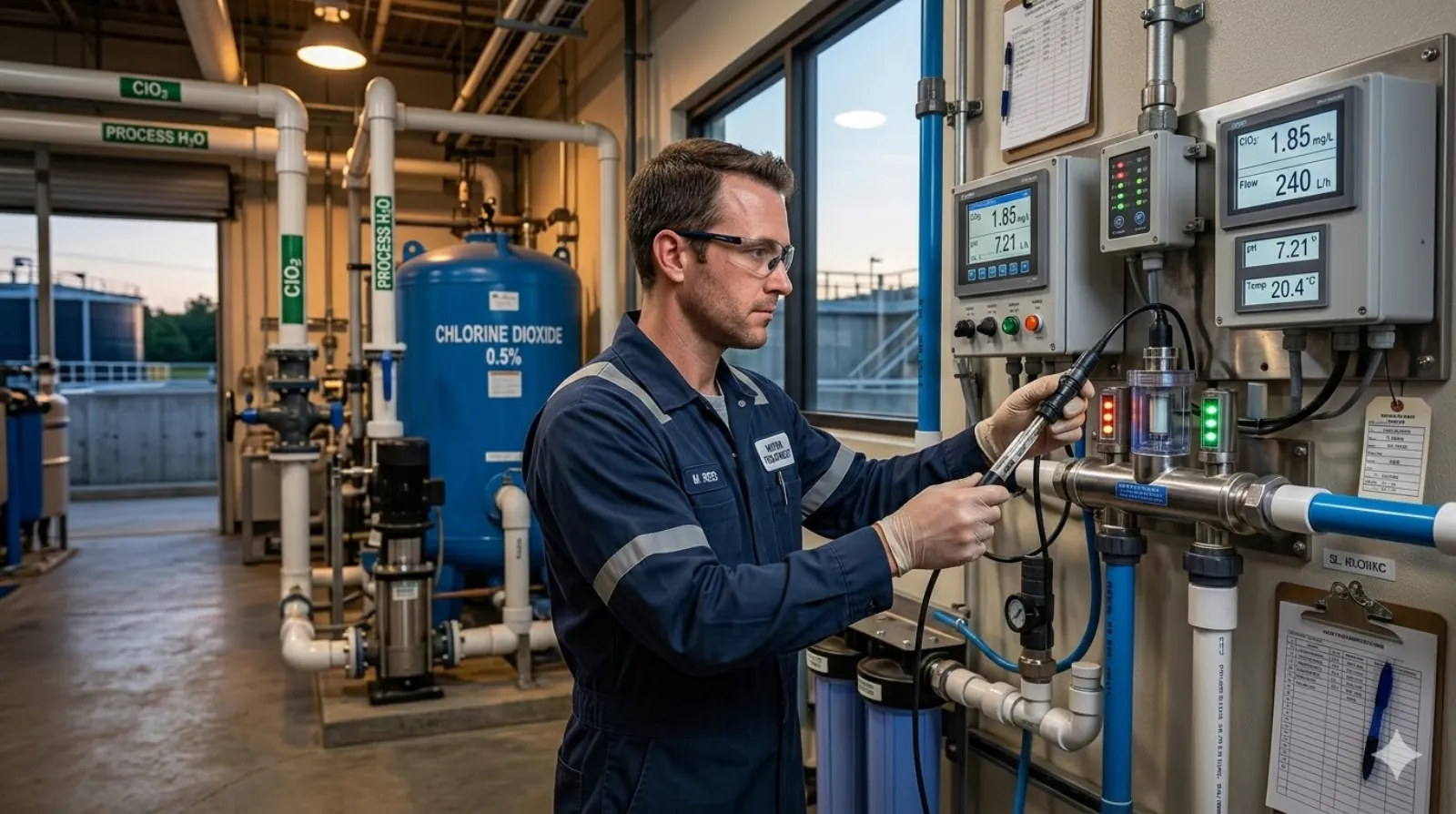
How to monitor chlorine dioxide in drinking water, wastewater, and food processing. Compare amperometric vs. colorimetric sensors and regulatory limits.
Page 3 of 4
How to monitor chlorine dioxide in drinking water, wastewater, and food processing. Compare amperometric vs. colorimetric sensors and regulatory limits.
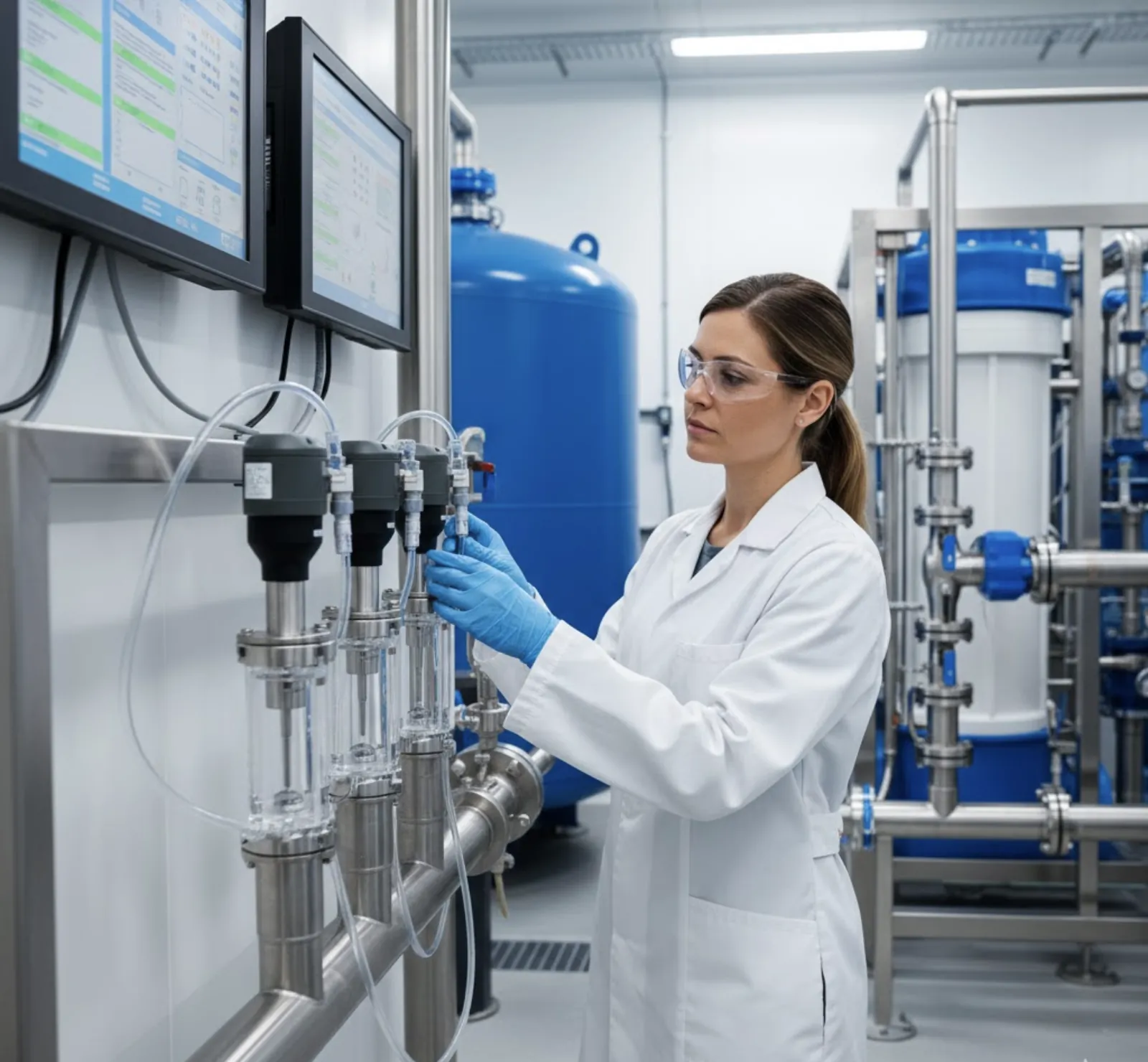
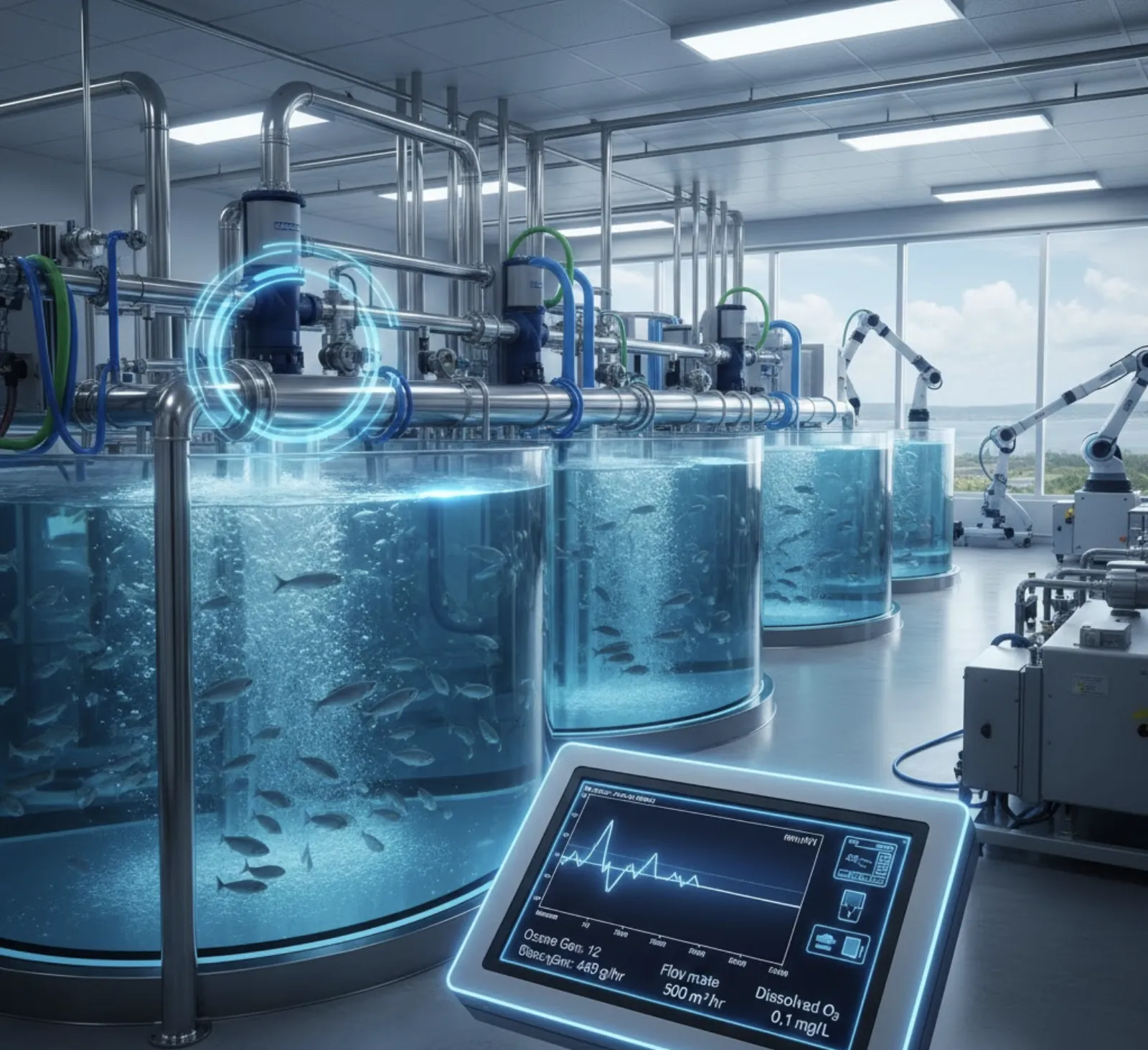
How to measure and control dissolved ozone in water treatment and aquaculture. Covers electrochemical vs UV sensors, placement, and IoT dosing control.
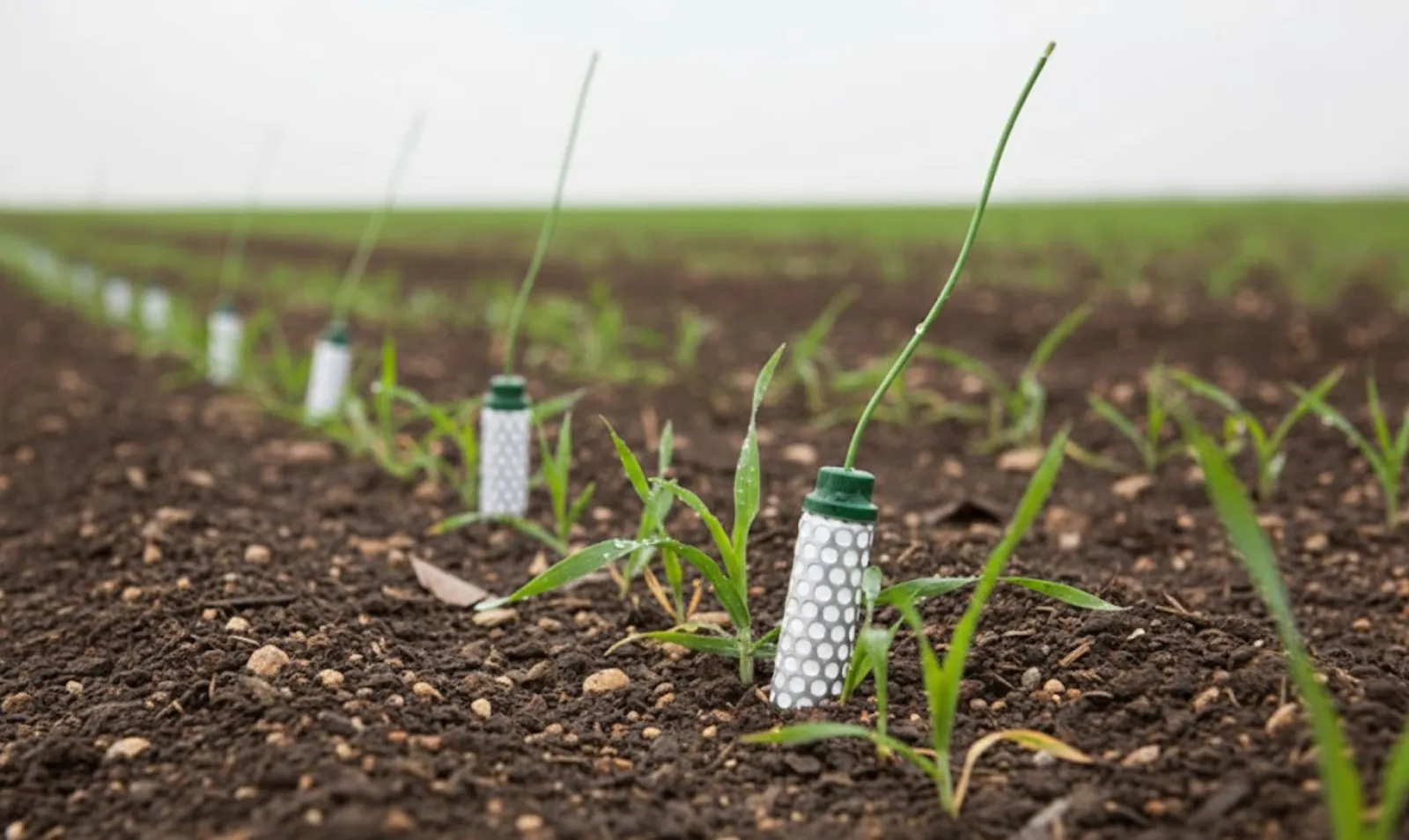
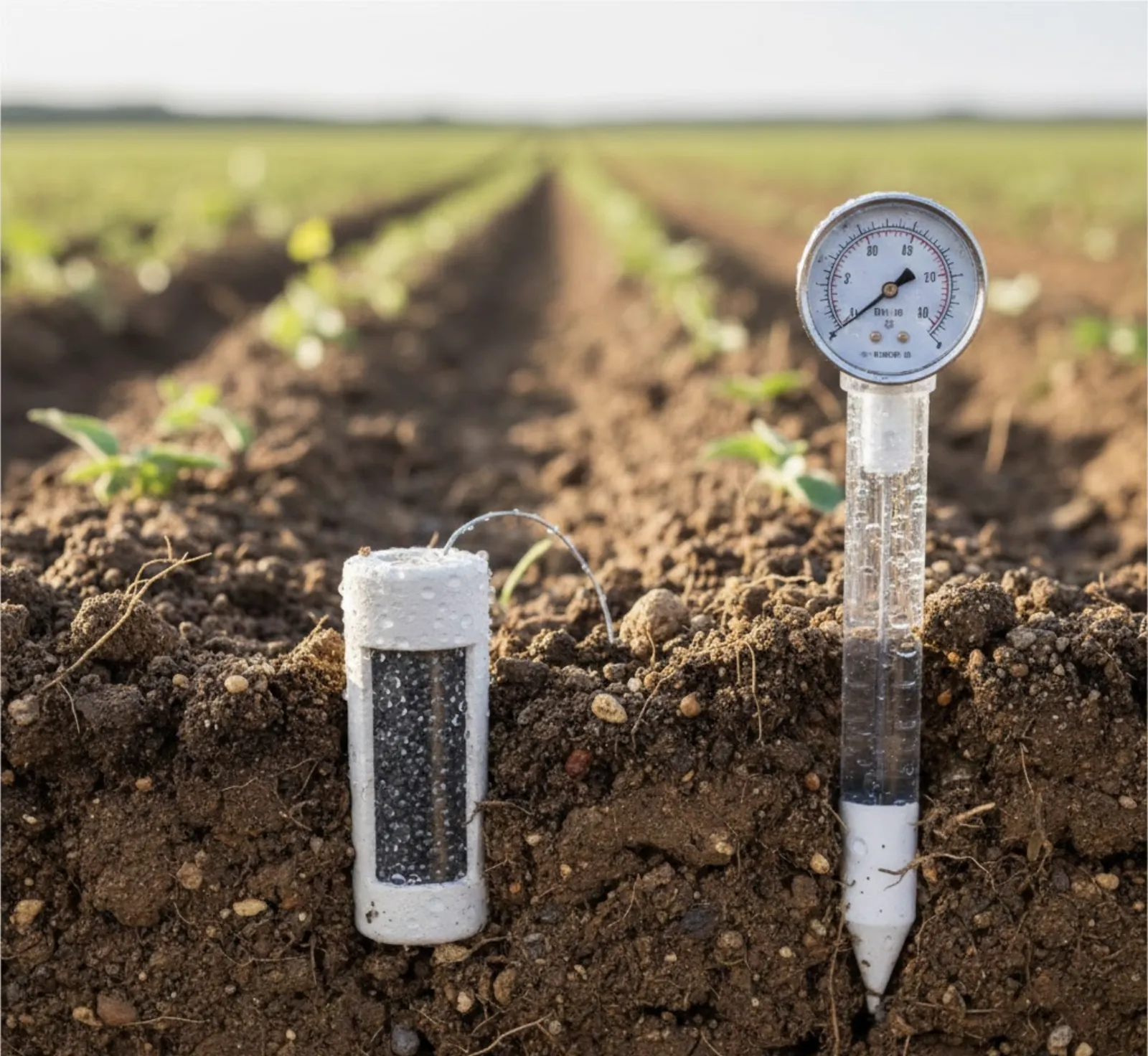
Granular matrix sensors measure soil water tension (0-200 kPa) via gypsum resistance: how they work, centibar thresholds, field life, and when to use them.
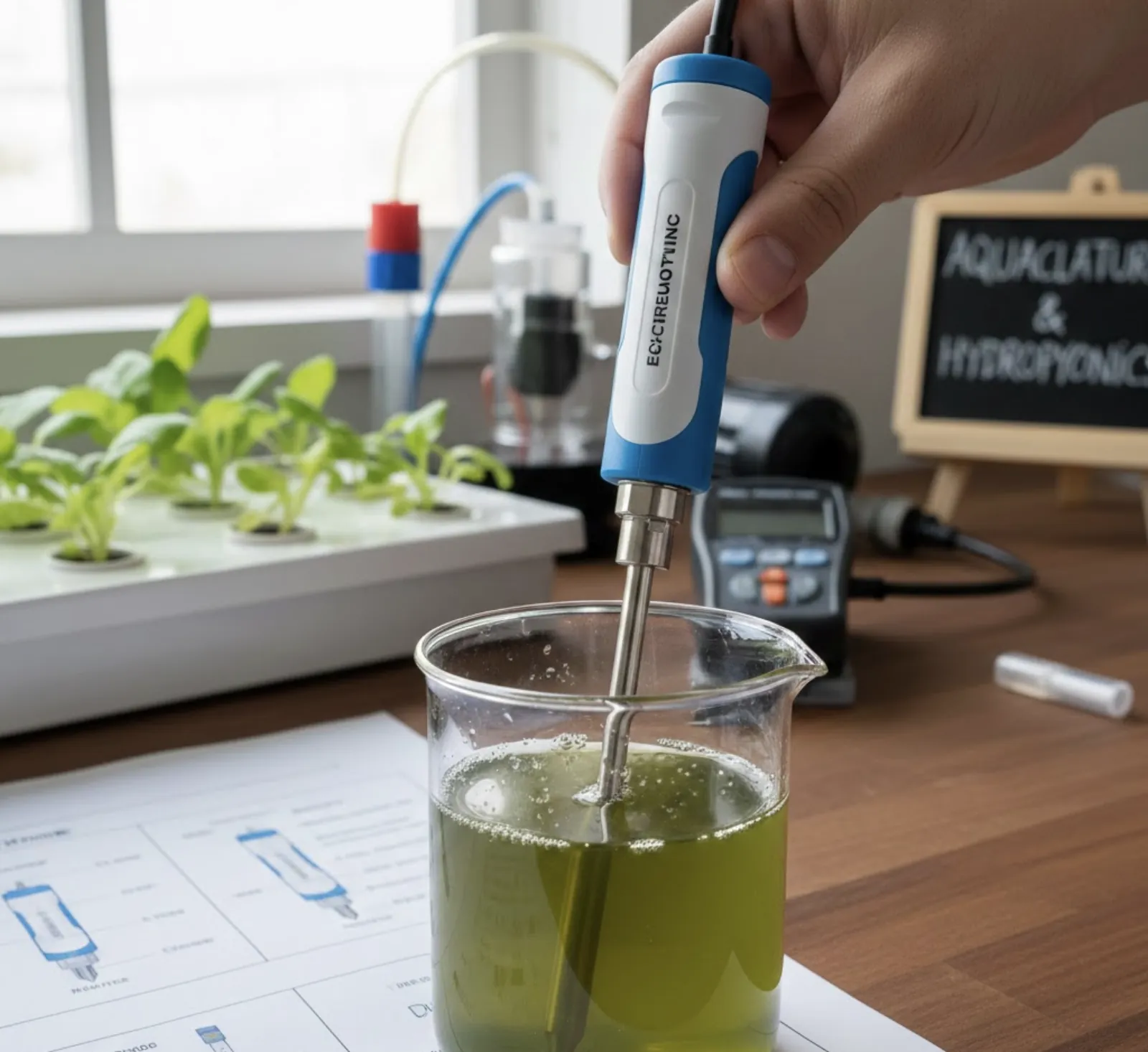
How to select the right EC probe for aquaculture, hydroponics, and water monitoring. Compare cell constants, materials, and ranges by application.
How to use ORP sensors to control ozone dosing in RAS. Safe setpoints by species, sensor placement, and how to automate ozone injection.
Which silo level sensor actually works for grain, feed, and powder? We compare radar, ultrasonic, load cell, and capacitive options with real accuracy data.
Guide to tensiometers for irrigation. How they work, how to read centibars, installation depth by crop, and when to choose them over other sensors.
How to use sensors for soil monitoring: depth chart by crop, sensor types compared, wiring to an IoT controller, and alert thresholds for over-irrigation.
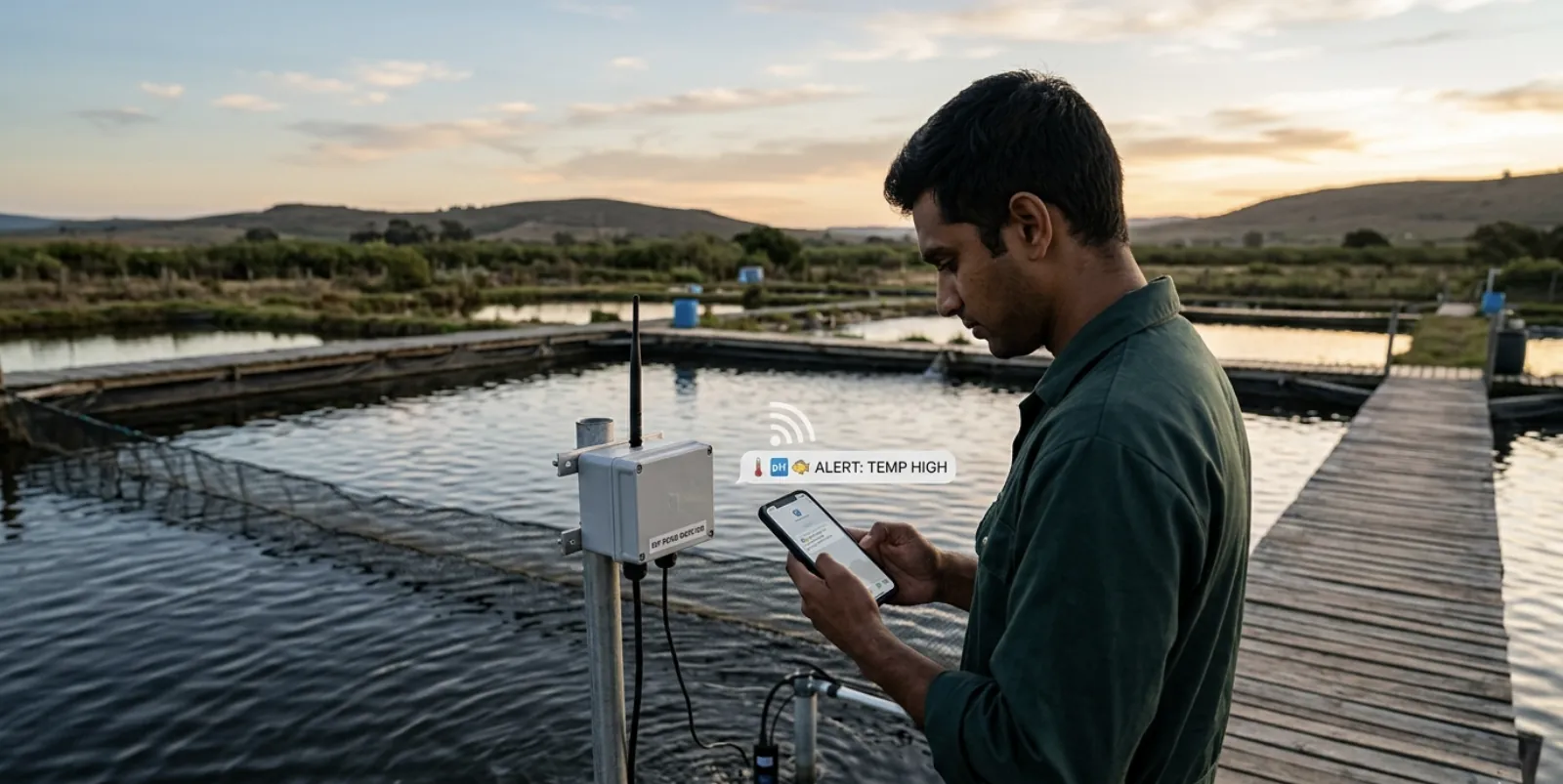
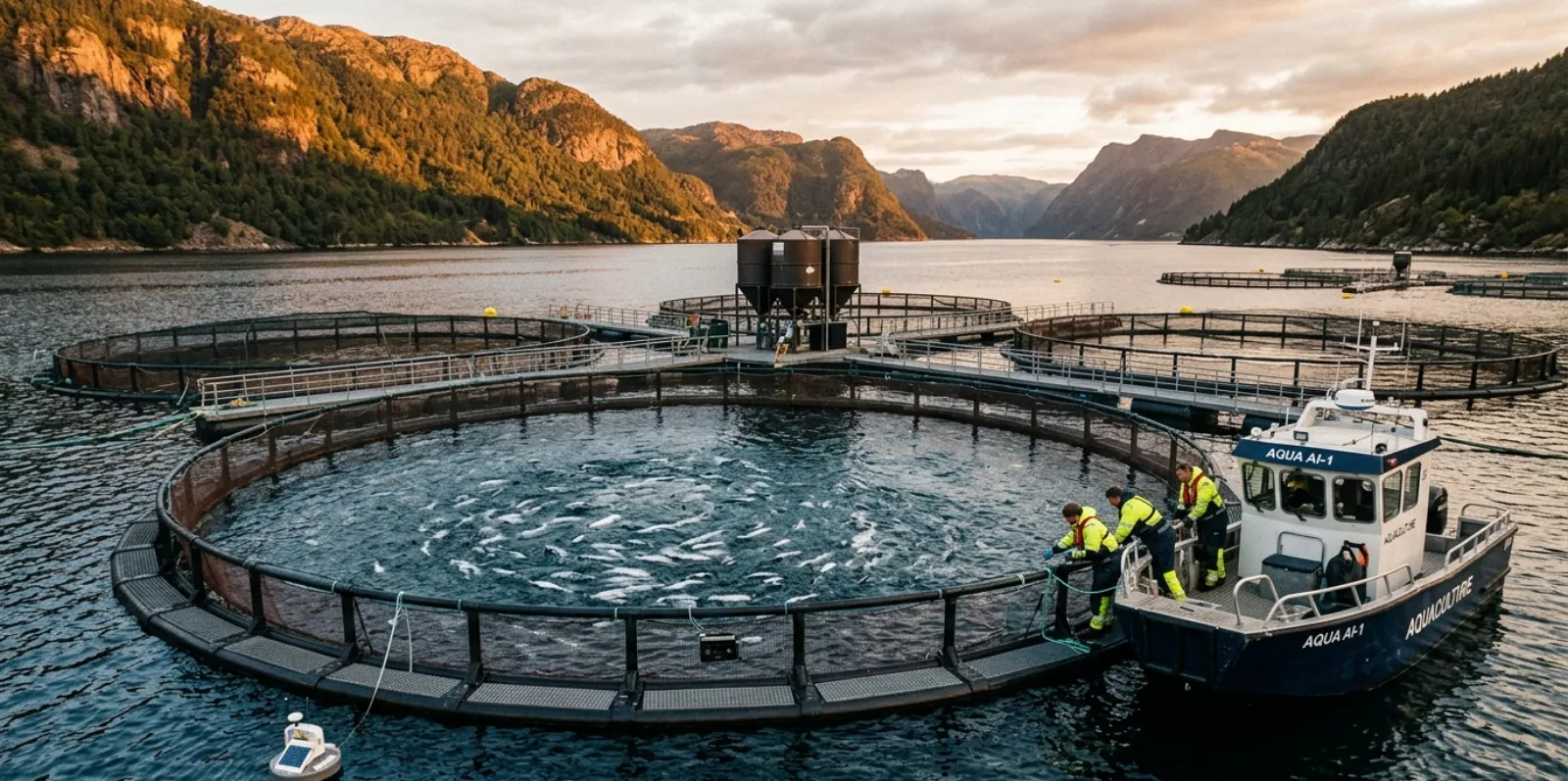
What to look for in an aquaculture monitoring system: sensor types, freshwater vs saltwater ratings, controller features, and 5 costly buying mistakes.
A complete guide to temperature monitoring systems: NTC, PT100, and DS18B20 sensors, IoT connectivity, alert setup, and HACCP food safety requirements.
Exactly where to place DO, pH, ammonia, and ORP sensors in a RAS loop. Includes biofilter crash warning signs and the alarm thresholds that prevent fish kills.
Choose the right temperature control system: PID vs on-off control, relay outputs, staged control, and automation for greenhouses, industry, and cold rooms.